The Western Cape’s Food & Beverages (F&B) sector presents a compelling investment opportunity for private sector investors seeking high returns, exposure to growing export markets, and alignment with sustainability and impact objectives. The region is a globally recognised hub for high-quality agri-processing, premium beverages, and value‑added food production, with strong links to European, Asian, and African markets.
As South Africa’s leading agricultural exporter, the Western Cape accounts for over half of the country’s primary agriculture exports. The sector has seen remarkable growth, with agricultural, forestry, and fisheries exports rising at an annual rate of over 15% (2020-2024). The province’s unique Mediterranean climate enables diverse, high-value crop production, with fruit and wine dominating exports.
In 2024, the Western Cape’s primary agricultural exports reached US$ 3.76bn, a 6.24% increase from the previous year, contributing to an overall agri-export base of US$ 6.19bn. Europe remains the top destination, with exports totalling US$ 1.97bn, followed by Asia at US$ 1.12bn.
Key segments include:

Agri-processing
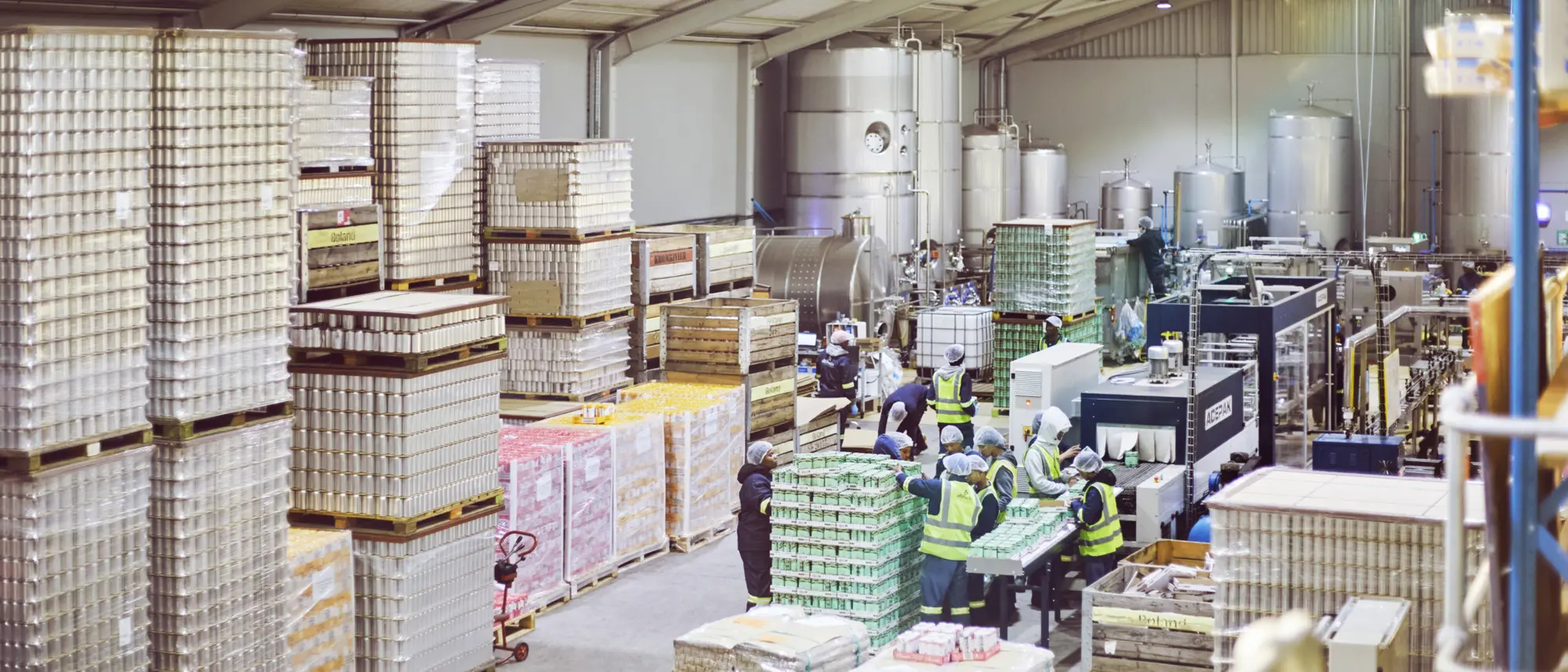
The Western Cape plays a pivotal role in South Africa’s agri-processing sector, contributing significantly to national output. Key products include beverages, canned goods, and fishing products.
Fishing & Aquaculture
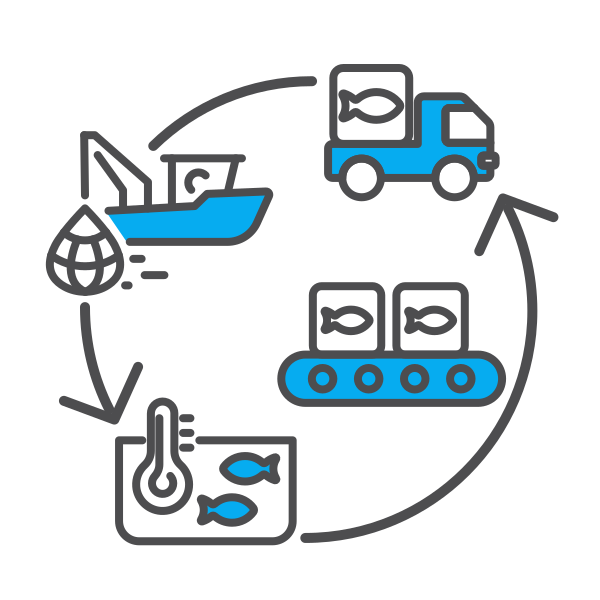
With its strategic access to the ocean economy, the Western Cape is a leader in fishing and aquaculture. The province is also home to South Africa’s premium farmed abalone industry.

Sustainable Agriculture & Agri-tech
As a recognized innovation hub, the Western Cape is at the forefront of sustainable agriculture and agri-tech. The region is contributing to advancements in smart farming, automation, and resource-efficient practices.
Why Cape Town & the Western Cape
1. Market Size & Growth Potential
The sector was responsible for over US$ 350 million in greenfield investment recorded in the Western Cape between 2014 and 2023. With over 2 million hectares under production in the province, the sector is primed for growth.
2. Export Leadership
The region accounts for over 52% of South Africa’s primary agriculture, valued at US$ 3.76 billion, with Europe, the United States, and China as major trading partners.
3. Strategic Gateway to Africa
With the implementation of the African Continental Free Trade Area (AfCFTA), the Western Cape is positioned as a springboard for expansion into Africa’s US$ 3.4 trillion consumer market.
4. Technology-Driven
The adoption of smart farming, precision agriculture, and agri-processing automation is enhancing productivity, reducing costs, and ensuring quality compliance with global standards.
5. Export-Driven Ecosystem
Well-established infrastructure supports high-volume exports to key markets.
6. Rising Global Demand
The global food market is projected to reach US$ 9.12 trillion in 2024, growing at 6.7% annually.
7. Commitment to Sustainability
In 2010, South Africa introduced the world’s first industry-wide sustainability seal, certifying wines from grape to glass. Issued by the Wine and Spirit Board, it ensures traceable, audited environmental standards, with each seal’s credentials verifiable online.
8. Skilled Workforce & Innovation Hubs
Cape Town and Stellenbosch are home to agri-tech and food-tech innovation clusters driving sector advancements.
9. Business-Friendly Governance
The region offers predictable regulations, efficiency, strong local governance and the commitment to the rule of law – critical factors for long-term investment security.
10. Incentives
For additional information, click here.


