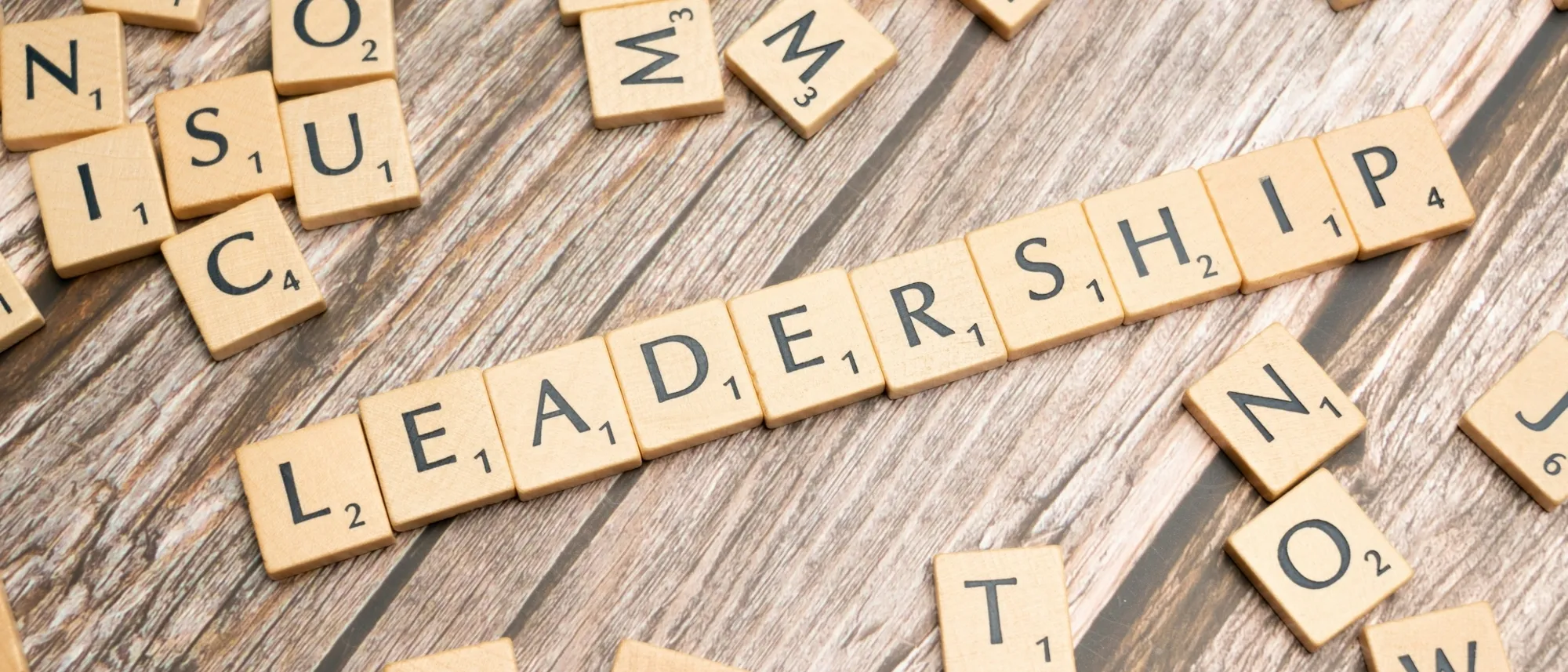
As women leaders from around the world convened in Cape Town and the Western Cape for the International Women’s Forum Cornerstone Conference, one message rose above the rest: inclusive, values-driven leadership is no longer a “nice to have” - it is a vital lever for shaping competitive, resilient societies.
- Inclusive leadership fuels stronger, more sustainable economies.
- Women leaders accelerate innovation, stability, and long-term resilience.
- Shared purpose is emerging as the defining ingredient for future growth.
In November, nearly 500 leaders from 30 countries gathered in Cape Town for the International Women’s Forum (IWF) Cornerstone Conference - a moment that felt both global in scale and deeply grounded in South Africa’s own narrative. The theme, Ubuntu: I am because we are, spoke directly to the kind of leadership our world now requires: connected, collaborative and conscious of shared impact.
A few weeks later, South Africa hosted the G20 and B20 Summit under the banner of Solidarity, Equality, Sustainability. Viewed together, these international gatherings reflected a shared direction: progress is strengthened when leadership actively values diversity and advances inclusion as a core principle.
The IWF conference brought together some of the world’s most influential voices shaping policy, technology and culture today, among them: Dr Monica Juma, Kenya’s National Security Advisor; Dr Precious Moloi-Motsepe of the Motsepe Foundation; Dr. Desiree Ellis, long-serving Head Coach of the South Africa women's national football team, Banyana Banyana; Shirley Machaba, PwC CEO; Phuthi Mahanyele-Dabengwa, CEO of Naspers South Africa; Funeka Montjane, CEO of Standard Bank Private; Mpumi Zikalala, CEO of Kumba Iron Ore; Dr Sharmla Chetty, CEO of Duke Corporate Education; and Andrea Albright, Chief Growth Officer for Walmart International. Their discussions spanned subjects ranging from artificial intelligence and geopolitics to the role of arts and culture in shaping identity and belonging. Yet beneath every session posed a unifying question: how do we lead in ways that strengthen connection and further inclusive and sustainable economic growth?
This is not an abstract ideal. It is an urgent call for a new kind of leadership suited to the complexity of our time. The world faces a convergence of challenges: economic volatility, climate disruption, social fragmentation and rapid technological change. Traditional models of leadership, built on hierarchy and individual achievement, can no longer meet these demands alone. What is needed now is leadership that listens, collaborates and builds trust across boundaries. That is the essence of Ubuntu, and it is what South Africa can share with the world.
At Wesgro, Cape Town and the Western Cape’s official tourism, trade and investment promotion agency, this philosophy underpins everything we do. Our success depends on partnerships, collaboration and collective intelligence. Over time, it has become clear that inclusive growth is not only a moral aspiration but also a powerful driver of economic progress. The strongest economies are those that harness the full range of human potential. When everyone participates, everyone benefits.
Effective leadership today demands far more than technical skill. It requires the ability to lead across difference, to combine empathy with strategic vision, and to understand how economies, societies and ecosystems are deeply interconnected. Women leaders have consistently demonstrated strength in these areas.
Research bears this out. Studies from the Harvard Kennedy School and the World Economic Forum have found that when women are represented in policy and business decision-making, countries experience higher rates of innovation, improved governance and more equitable economic outcomes. Rwanda’s post-conflict recovery offers one of the most striking examples. Women’s leadership in government and community structures has been instrumental in rebuilding social cohesion and driving economic revitalisation. The result is a society that is not only more stable but also more inclusive and forward-looking.
The private sector tells a similar story. McKinsey’s 2023 Diversity Wins report shows that companies with gender-diverse executive teams are significantly more likely to outperform financially. This is not coincidence. It reflects the tangible advantages of diverse perspectives: broader thinking, sharper problem-solving and a greater capacity to adapt to change. In Asia, firms that appointed women to senior leadership roles recorded higher returns on equity and stronger risk management. Across Africa, women entrepreneurs are at the forefront of green innovation, technology and social enterprise, industries that combine commercial success with measurable impact.
The principle is simple but profound. When different perspectives come together, better solutions emerge. Diverse leadership teams interpret risk more accurately, identify opportunities earlier and create value that is both resilient and fair. This is the kind of leadership that drives nations forward and sustains prosperity through uncertain times.
The Western Cape has embraced this approach through its focus on sustainability, inclusivity and innovation across sectors ranging from renewable energy and agritech to tourism and life sciences and health. The region’s economic strategy is grounded in the understanding that social progress and competitiveness are not opposing forces. They are mutually reinforcing. When we invest in people, in education, and in opportunity, we strengthen the very foundation of our economic resilience.
The IWF Cornerstone Conference brought together women whose leadership reaches across countries, industries and disciplines. Their exchange of ideas showed how collaboration, when it is genuine and focused, can open new paths for innovation and broaden how we think about the world’s most pressing challenges. The discussions in Cape Town will continue to shape decisions, spark partnerships and influence how emerging leaders approach the future.
It was meaningful that these conversations took place in South Africa, a country that has lived through the consequences of division and understands the strength that comes from choosing unity. Ubuntu is not just a theme, it is part of our national DNA. It reminds us that none of us can thrive in isolation. Our success as leaders, businesses, communities and nations is interdependent.
By welcoming the IWF Cornerstone Conference, and following South Africa’s recent role as host of the G20 and B20 Summits, the country offered a cohesive perspective on leadership grounded in connection and shared humanity. Ubuntu reminds us that growth is not measured only in profits or outputs, but in how we uplift one another. If we lead with inclusion, empathy and purpose, we can build economies - and a future - where everyone belongs and everyone benefits.
Stander is CEO of Wesgro, the official tourism, trade and investment promotion agency for Cape Town and the Western Cape.
-ends-
*This article was first published by News24.